



In our previous blog post, we looked at the numbers you need to understand if your firm is set up for project profitability. In this post, we’ll talk about how to compare actuals to your projections. When you do, you can quickly identify why you got a particular outcome and where you need to take action.
Drilling Down for Answers: From Numbers to Action
Monthly analysis is where the rubber meets the road. The first thing to look at every month is your overall firm profitability and how that compares to your profit goal.
If you fall short of the goal, don’t panic. Instead, drill down to uncover the root cause. Through analysis, you’ll be able to figure out which of the following is limiting your revenue:
- Is there enough work in your pipeline?
- Are there missed billing opportunities?
- Was your team scheduled to do the right work?
- Did your team log their scheduled hours?
- Are project budgets restricting invoicing?
In order to identify the specific reason behind the shortfall, you’ll compare the actual service revenue to some of the numbers we identified in the previous blog post It is the first step to taking corrective action and unlocking hidden profit potential.
Project Profitability - Three Targets You Need for Comparison
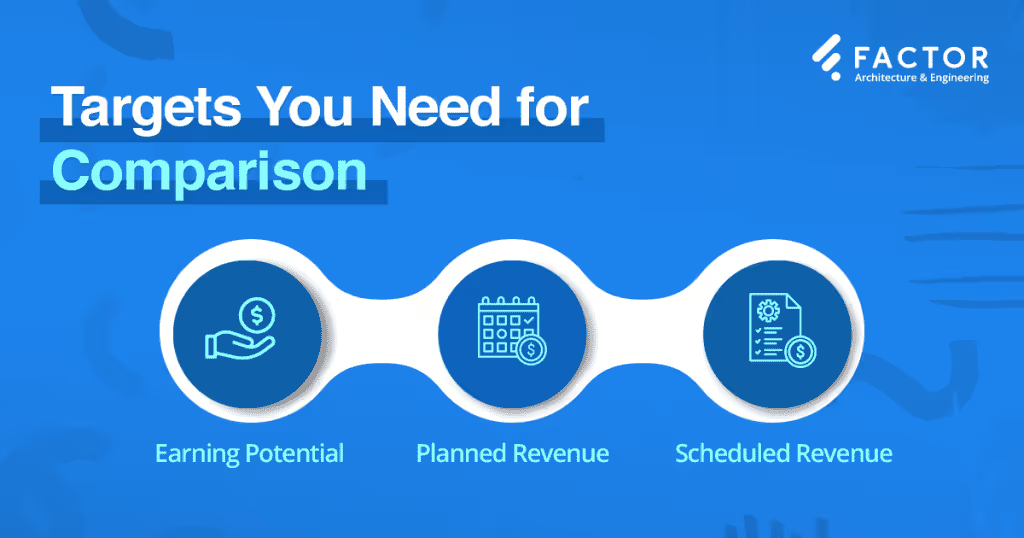
Whether you hit or miss your project profitability goal for a month, you want to know why. That way, you can either consistently repeat success or avoid future failure. There are three projections that can be compared to one another and the firm’s actual revenue:
1. Earning Potential
If you followed the previous blog post, you calculated your earning potential. It is the revenue your team would generate if they all met their billable expectations. This number only changes if you change staff, change billable targets, or change your rates.
2. Planned Revenue
This number fluctuates based on your firm’s backlog of work. To calculate it, you’ll need to have timelines on your projects, ideally at the phase level. You will also want to separate the budget for your services from the budgeted values for expenses or sub-consultants. Even if these are estimates, they’ll allow you to spread your service budget across the timeline and project how much revenue you might earn if you complete the project scope on time and on budget.
3. Scheduled Revenue
This number is based on your resource schedule. It starts with assigning team members to projects with billable rates, even if you bill the project fixed fee. Then, by assigning hours to those team members, you can multiply the scheduled hours in the month by the rates and come up with a projection based on their actual assignments.
Once you have these three projections, you’ll be able to compare them to your actual service revenue. This is the amount that you actually invoice clients in the month for services. This number should not include reimbursable or sub-consultant fees that you invoice clients. This should only be the revenue earned through the hours of your team members since our projections above are likewise based on their time, not the other aspects of the budget.
What Does the Comparison Reveal After the Fact?
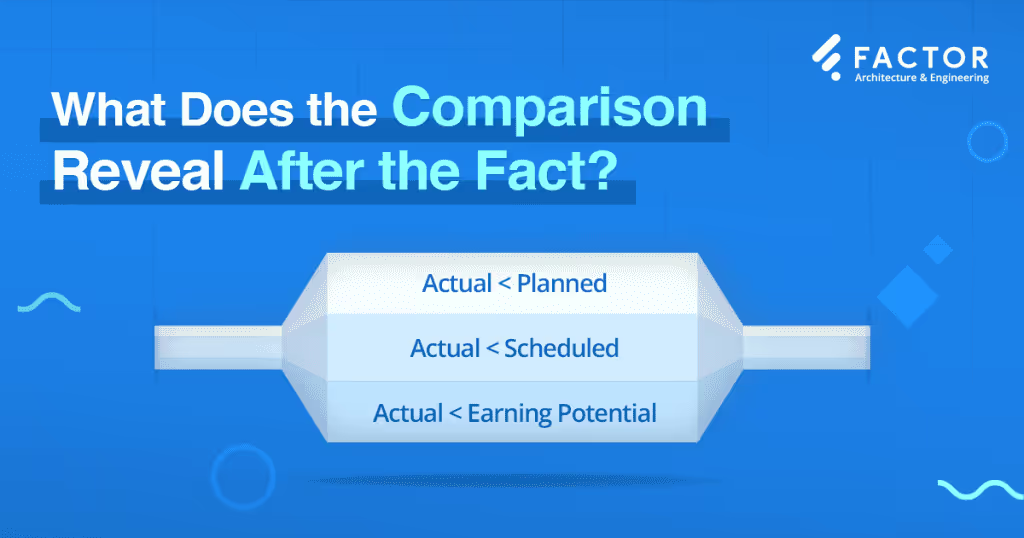
Remember, ongoing analysis is crucial. This vigilance helps identify potential roadblocks to project profitability before they become major issues. When you compare your actual service revenue to each projection, and even compare the projections to one another, you can figure out why shortfalls occur. Examine each cause below and the comparison indicators that might highlight it as a cause:
Actual is Less than Planned
If your actual revenue falls short of the planned revenue you projected from project schedules, it means that you have enough work in your pipeline to meet your earning potential, but your team didn’t work according to this plan. It’s time to look at the resource schedule and find out if your project managers misallocated resources, providing education and training on how to schedule to meet your planned revenue target.
Actual is Less than Scheduled
If your actual revenue is less than what was scheduled, then the issue lies with execution from your team. By reporting on actual hours logged vs. scheduled, you can figure out which team members need coaching to ensure they follow resource plans and hit their billable target and project schedules.
Actual is Less than Earning Potential
If your actual revenue ends up less than your earning potential but matches or exceeds your planned revenue, it’s time to look at your pipeline and determine if you are overstaffed or if project schedules are preventing you from billing to meet your revenue target. Besides getting more work, you may need to adjust schedules so you can bill for the completion of work sooner.
If your actual revenue ends up less than your earning potential but meets or exceeds your scheduled revenue, you need to look at your projects and understand if there are issues preventing you from billing that time.
This may include rework, or overages on billable hours that can’t be billed within the contract. It may be worth looking into change orders or restructuring some phases of your project to exceed budgets if additional work is required. If the fault is with the quality of work or poor estimating, you may be limited in what you can change on the current project but should review lessons learned with your team for the future.
How Do You Predict the Future of Project Profitability?
The best way to improve your future is to compare the targets above to predict issues before they happen. If your planned revenue in a future month is lower than your earning potential, you can still pursue additional contracts or adjust schedules to bring those numbers together.
If your scheduled revenue is lower than earning potential or planned revenue, you can address this with project managers ahead of time. The sooner you know, and the sooner you compare, the better chance you have to ensure you hit your potential and maintain profitability targets.
Conclusion: Securing Project Profitability
Remember, profitability is a journey, not a destination. By understanding your prerequisites, aligning potential with goals, tracking your progress, and taking corrective action, you equip your AEC firm with the tools and insights to navigate the path toward exceeding your profit goals. Buckle up, and get ready for a prosperous project profitability!

Recommended articles
.avif)

.png)
See Factor in action
In one quick call, we’ll show you a simpler way to run projects and get paid faster.
.png)
“I recommend Factor to other firms. The team is great, it’s easy to use, and it has streamlined my project management. It can do the same for yours.”
Adam Mayberry
Architect / Managing Principal


