


Introduction
Running an architecture or engineering (A/E) firm can make understanding and improving profitability a complex process. Many of us struggle to identify exactly where improvements can be made.
The good news? By examining key layers of data that you likely already have—or should start tracking—you can gain actionable insights to improve your A/E firm's profitability. In this guide, we’ll explore three vital areas to investigate: unbilled work in progress (WIP), team utilization, and individual project profitability. Let’s dive in!
1. The Importance of Tracking Unbilled WIP
What Is Unbilled WIP?
Imagine you’ve put in the hours, but the invoices just aren’t catching up. That’s where unbilled WIP comes in. It refers to the labor you’ve completed or expenses incurred—like costs from subcontractors—that haven’t yet been invoiced to your clients. This often stems from simple oversights or mismanagement of timelines and contracts.
While it may seem like a small oversight, unbilled WIP can build up over time and lead to a significant loss of cash flow. It impacts the health of your financials by delaying incoming revenue that’s already been earned. Understanding how much unbilled WIP your firm is carrying is crucial since it can directly affect your firm’s ability to invest in growth, manage expenses, or even meet payroll.
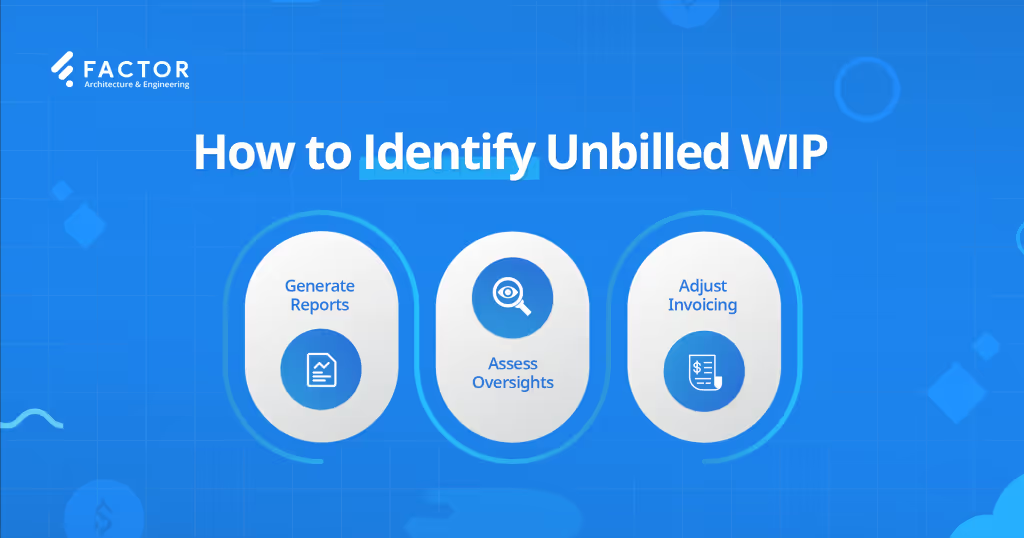
How to Identify Unbilled WIP
- Generate Reports: Start by generating a report that highlights any unbilled WIP.
- Assess Oversights: Check whether you simply forgot to invoice for completed work or if there are ongoing tasks that you can’t bill yet.
- Adjust Invoicing: If you’re unable to invoice certain expenses, take a closer look at your project timelines and contracts. Consider adjusting how and when you invoice to reduce the duration of carrying unbilled WIP.
To avoid carrying unbilled WIP for too long, ensure your team understands the importance of timely invoicing and adheres to project timelines. A proactive approach can help prevent cash flow issues and improve profitability.
2. Evaluating Team Utilization
Understanding Utilization
Utilization is like the pulse of your firm—it represents the percentage of your team’s time spent on billable work versus non-billable tasks. High utilization rates are essential for profitability, as they show that you’re making the most of your resources.
If your team is spending too much time on non-billable tasks, that’s valuable time being lost. The higher the utilization, the more effectively your firm operates. However, a balance is necessary, as overloading your staff with too much billable work can lead to burnout, which affects morale and long-term performance. Striking the right balance in utilization helps maintain both your team and your financial health.
Tracking Utilization
You should have a solid method for monitoring team utilization. Regularly review how much time team members are logging against their billable hours and ensure that everyone understands the importance of these targets. Make sure your utilization goals are realistic—they should cover salaries, overhead costs, and still allow you to meet your profit objectives.
Addressing Utilization Challenges
If your utilization targets aren’t being met, it’s time to dig a little deeper:
- Review Schedules: Check if team members are being assigned enough billable work.
- Identify Project Management Issues: If schedules look fine but utilization remains low, investigate why team members might be diverting from their assigned projects.
- Analyze Time Logs: Review reports to identify where team members are spending their time and whether they are sticking to assigned projects.
Communicate clearly with project managers about the importance of scheduling billable work effectively. Ensure that team members understand how their utilization impacts the firm’s financial outcomes. If necessary, provide training to help them log their time accurately and efficiently.
3. Analyzing Individual Project Profitability
Understanding Project Profitability
Once you’ve assessed unbilled WIP and utilization rates, the final layer to examine is individual project profitability. This involves looking at the total revenue generated from each project and comparing it to the associated costs, including labor, overhead, and subcontractor fees.
Not every project may meet your ideal profit margin, but analyzing profitability on a per-project basis can help you identify which projects or clients are truly contributing to your bottom line. It can also help you identify which types of projects tend to run over budget or fail to meet profitability goals, so you can refine your project selection and pricing strategies moving forward.
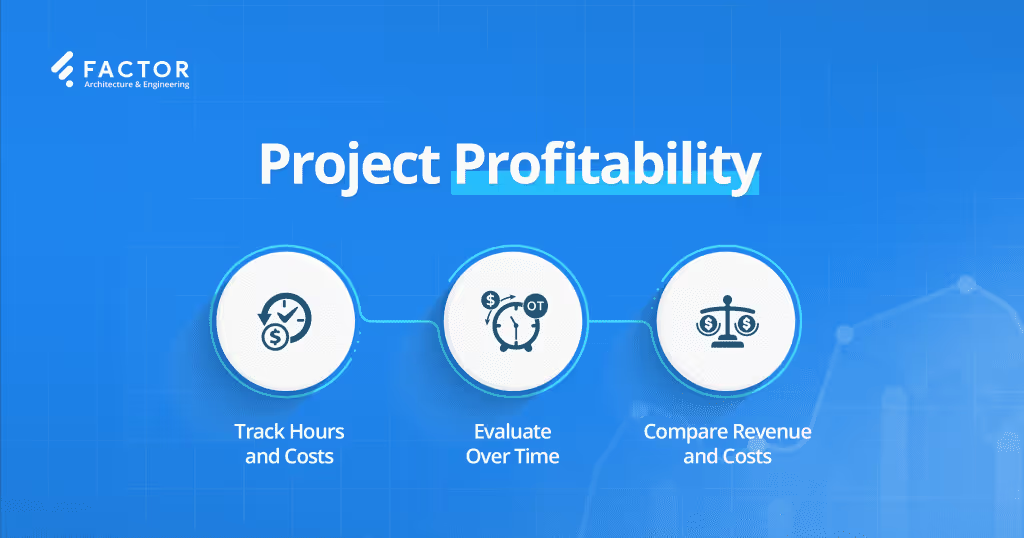
How to Assess Project Profitability
- Track Hours and Costs: Make sure you have a system in place that tracks every hour logged to a project alongside its corresponding costs.
- Evaluate Over Time: This will allow you to evaluate each project’s profitability over time.
- Compare Revenue and Costs: Even if a project exceeds its estimated hours, you can still determine if it’s ultimately profitable by comparing the total costs against the revenue generated.
Taking Action
If you find that certain projects are underperforming, investigate the reasons behind the overspending. Is it a lack of budgeting? Are there inefficiencies in project execution? Understanding these dynamics can help you implement better project management practices and resource allocation strategies.
A detailed analysis of individual project profitability will provide insights needed to make informed decisions about resource allocation and future project bids. It’s essential to have a strong system that can track these metrics in real-time, allowing you to adapt as needed.
Conclusion
Understanding your A/E firm's profitability requires digging into multiple layers of data, but it doesn’t have to be overwhelming. By focusing on unbilled WIP, utilization rates, and individual project profitability, you can identify clear areas for improvement.
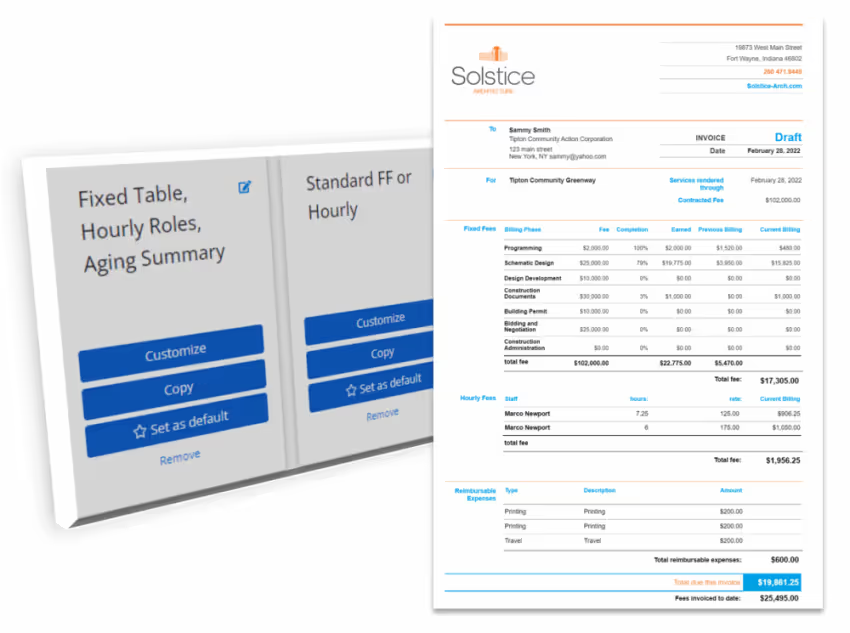
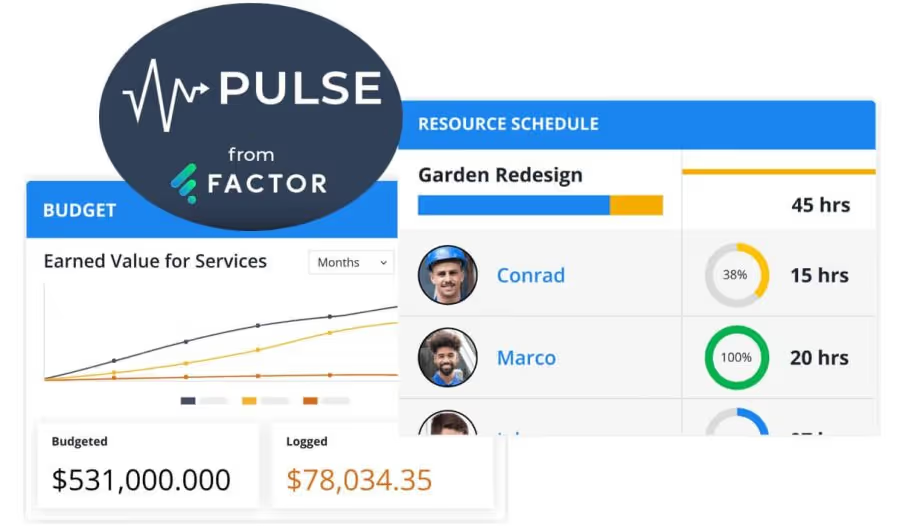
If you find gaps in your data tracking or need a more efficient way to manage these metrics, consider using tools like Factor. Factor offers seamless project management, billing, and accounting integration, which can help improve your A/E firm's profitability. You can explore more about Factor and even sign up for a free 30-day trial at factorapp.com.
By taking these steps, you can transform your firm’s approach to profitability and set yourself up for sustainable financial success in the competitive A/E industry. Here’s to approaching the path to A/E firm profitability with confidence and clarity!
1. What is unbilled WIP, and why is it critical for the profitability of my A/E firm?
Unbilled WIP represents completed work not yet invoiced, affecting cash flow, revenue timing, and profitability.
2. How can I effectively reduce unbilled WIP in my firm?
To effectively minimize unbilled WIP, it is essential to generate regular reports to identify unbilled work, assess any overlooked billing opportunities, and streamline invoicing practices. Ensuring that project timelines and contracts are managed carefully will support timely billing and help maintain cash flow.
3. What is team utilization, and how does it influence the profitability of my firm?
Team utilization refers to the percentage of time that your staff spends on billable tasks compared to non-billable activities. High utilization rates are essential for maintaining profitability, as they reflect the efficient use of your resources in generating revenue.
4. How can I improve team utilization?
Track time logs, set realistic utilization goals, and ensure billable work is prioritized through effective project scheduling.
5. How can I assess whether individual projects are profitable for my A/E firm?
To evaluate project profitability, track all hours and associated costs for each project and compare them to the revenue generated. Regularly reviewing this data will help identify which projects meet profit expectations and where adjustments to budgeting or project management are required for better financial outcomes.

Recommended articles
.png)
See Factor in action
In one quick call, we’ll show you a simpler way to run projects and get paid faster.
.png)
“I recommend Factor to other firms. The team is great, it’s easy to use, and it has streamlined my project management. It can do the same for yours.”
Adam Mayberry
Architect / Managing Principal