


Project Portfolio Management (PPM) is a strategic approach that enables your architecture or engineering firm to manage multiple projects efficiently by centralizing data and optimizing resources. PPM addresses significant issues like fragmented project oversight and resource misallocation.
In this blog, we will discuss how comprehensive portfolio management differs from a more traditional project management approach and how - when done correctly - it can streamline project data/analysis, improve resource distribution, and facilitate better decision-making for sustainable firm growth.
Understanding the Need for Project Portfolio Management
Fragmented Project Oversight
1. Problems with Individual Project Management vs. Portfolio Management
If you manage projects in isolation, you will often find yourself among disconnected processes, inconsistent methodologies, and a lack of cohesive strategy. Unlike individual project management, managing at the portfolio level provides you with a holistic view, aligning competing needs and highlighting inconsistencies between different departments or project managers. This allows you to align practices to meet organizational goals and culture.
2. Examples of Common Issues: Scheduling Conflicts, Misallocation of Resources
With a unified approach, A/E firms can avoid scheduling conflicts and resource overlaps. These problems can result in project delays, increased costs, and missed deadlines, ultimately hindering project success and firm growth.
Resource Allocation
1. Impact on Team Productivity and Morale
Inefficient resource allocation will negatively impact your teams’ productivity and morale. Your overburdened teams may experience burnout, while underutilized resources lead to disengagement and a lack of motivation.
By leveraging PPM and implementing resource scheduling across your entire portfolio, you can ensure a balanced distribution of workload. This holistic approach not only prevents burnout but also keeps your teams engaged and motivated by aligning their tasks with their strengths and availability.
2. Consequences of Inefficient Resource Use: Overtime, Unmet Deadlines, Client Dissatisfaction
Poor resource management can result in overtime, missed deadlines, and your clients’ dissatisfaction. When resources are optimally utilized, projects may exceed budgets or fail to meet client expectations, reducing profitability and damaging the organization’s reputation.
Using a PPM approach gives you a unified view of all projects so that you can anticipate resource needs and address potential conflicts before they escalate.
3. Loss of Profitability Due to Effort That Overspends Client Budget
Inefficient resource allocation often leads to overspending on your clients’ budgets, with additional efforts that cannot be invoiced. This loss in profitability underscores the importance of effective PPM practices.
By managing resources prudently through comprehensive portfolio management, you can maintain financial health and avoid non-billable overages. PPM allows for proactive resource scheduling, ensuring that every effort aligns with project budgets and client expectations.
By integrating PPM into your organization, you can mitigate these challenges and create a more efficient, motivated, and financially sound work environment. This approach not only addresses immediate resource allocation but also fosters long-term strategic growth, reinforcing the main idea of how PPM can unleash your firm’s growth potential.
Benefits of Shifting to Project Portfolio Management
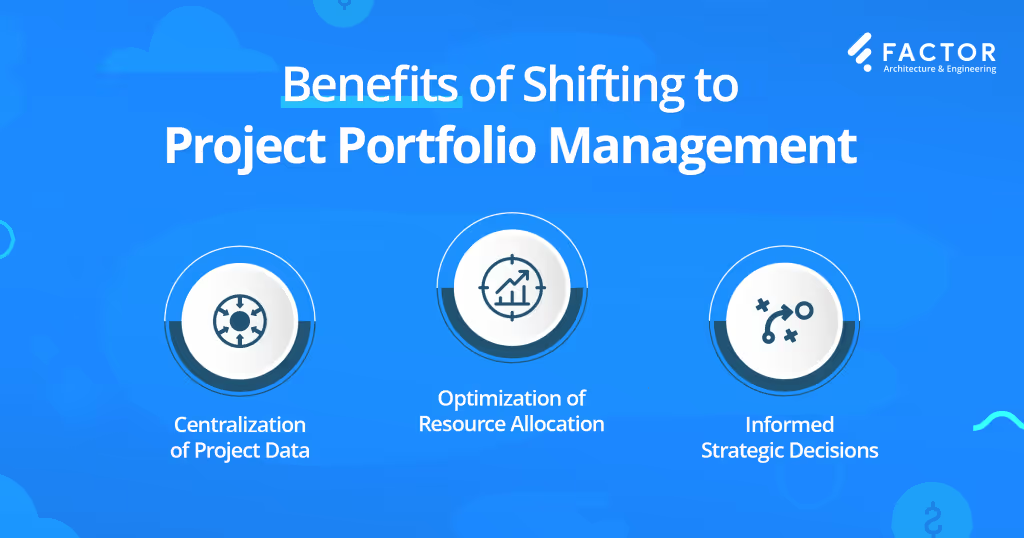
Centralization of Project Data
1. How PPM Provides a Unified View of All Projects
PPM centralizes your project data, providing a unified view of all ongoing and planned projects. This centralization ensures that all your project information is accessible in one place, facilitating better coordination and oversight.
2. The Importance of Having a Single Source of Truth
Having a single source of truth eliminates discrepancies and fosters transparency. Accurate and up-to-date information helps your teams stay aligned and make informed decisions, reducing the risk of errors and miscommunication.
Optimization of Resource Allocation
1. Scheduling Resources Effectively Across Multiple Projects
Rather than considering one project schedule at a time, project portfolio management ensures the efficient scheduling of resources across multiple projects so that each one has the necessary resources at the right time. This balanced approach prevents resource shortages and minimizes delays.
2. Avoiding Overuse of Resources and Ensuring Fair Workload Distribution
This approach prevents the overuse of resources, helping to avoid team burnout and revenue loss. It ensures fair workload distribution, allowing teams to maintain a sustainable pace and produce high-quality work.
Informed Strategic Decisions
1. Using Data from PPM to Forecast Project Needs and Organizational Capacity
In order to forecast appropriately, many variables within the firm must be taken into consideration. A data-driven, PPM approach enables better planning and resource allocation to support long-term strategic goals at a realistic capacity for all employees.
2. Making Informed Decisions about New Contracts, Staffing, and Resource Investments
With comprehensive data at their disposal, A/E firms can make informed decisions about new contracts, staffing, and resource investments. PPM insights facilitate strategic growth by identifying opportunities and optimizing resource use.
Key Features of Effective PPM Software
Resource Scheduling and Management
1. Tools for Tracking Resource Availability and Allocation
Effective PPM software includes tools for tracking resource availability and allocation. These tools help project managers assign resources efficiently, ensuring projects progress smoothly without resource conflicts.
2. How PPM Software Prevents Resource Collisions and Inefficiencies
By providing a clear view of resource schedules, PPM software prevents resource collisions and inefficiencies. It ensures that resources are allocated where they are needed most, avoiding duplication of efforts and maximizing productivity.
Forecasting and Runway Analysis
1. Predicting Project Completion Timelines and Financial Health
Managing your entire portfolio as a whole offers more accurate forecasting and runway analysis that can help predict project completion timelines and the financial health of the firm. These insights will help Principals plan better and anticipate potential challenges.
2. Managing Backlog and Understanding Long-Term Resource Needs
Forecasting tools help manage project backlogs and understand long-term resource needs. This forward-looking approach ensures that organizations are prepared for future demands and can allocate resources effectively.
Visibility and Reporting
1. Generating Comprehensive Reports for Leadership and Stakeholders
With all project data in place, leadership and stakeholders are able to view performance at a more comprehensive level, leading to better decision-making and strategic planning.
2. Standardizing Metrics and Performance Indications Across Projects
Standardizing metrics and performance indicators across projects ensures consistency and comparability. PPM software facilitates this standardization, enabling organizations to track progress and measure success effectively.
Implementing PPM in Your Organization
Steps to Get Started
Assessing Current Project Management Practices
Start by assessing your current project management practices. Identify areas for improvement and determine how PPM can address existing challenges.
Selecting the Right PPM Software for Your Needs
Choose the right PPM software that aligns with your organization’s needs. Consider factors such as scalability, and ease of use.
Training and Onboarding
Ensuring Your Team Understands and Adopts PPM Tools
Provide or make sure you have access to comprehensive training to ensure your team understands and adopts PPM tools. Effective onboarding is crucial for successful implementation and long-term adoption.
Continuous Improvement and Training for Sustained Success
Implement a continuous improvement process and provide ongoing training to keep your team updated on PPM's best practices and new software features.
Measuring Success
Setting KPIs and Benchmarks to Evaluate PPM Effectiveness
Set key performance indicators (KPIs) and benchmarks to evaluate the effectiveness of your PPM implementation. Regularly review these metrics to identify areas for improvement.
Regularly Reviewing and Optimizing Your PPM Process
Regularly review and optimize your PPM process to ensure it continues to meet organizational needs. Adapt and refine your approach based on feedback and performance data.
Conclusion
Project Portfolio Management offers significant benefits ranging from centralized data, optimized resource allocation, and strategic growth. By adopting a PPM approach to managing your firm, you can improve efficiency, make informed decisions, and achieve sustainable growth. Consider exploring PPM options that are specific to architecture and engineering to maximize impact and unlock your firm’s growth potential.
1. What is Project Portfolio Management?
Project Portfolio Management is a strategic approach to managing multiple projects within an organization, focusing on centralized data, optimized resource allocation, and strategic decision-making.
2. How does the PPM approach help with resource allocation?
The PPM approach uses tools for tracking resource availability and allocation, ensuring resources are used efficiently across projects, preventing overuse, and avoiding burnout.
3. Why is centralization of project data important?
Centralization of project data provides a single source of truth, ensuring all project information is accurate and accessible, facilitating better coordination and informed decision-making.
4. What are some key features to look for in PPM software?
Key features include resource scheduling and management, forecasting and runaway analysis, and visibility and reporting tools.

Recommended articles


See Factor in action
In one quick call, we’ll show you a simpler way to run projects and get paid faster.
.png)
“I recommend Factor to other firms. The team is great, it’s easy to use, and it has streamlined my project management. It can do the same for yours.”
Adam Mayberry
Architect / Managing Principal