

Project management is at the core of every architecture and engineering (A/E) firm. Projects can spiral out of control without a structured approach, leading to missed deadlines, budget overruns, and unhappy clients. Smart project management ensures that teams stay on track, resources are used effectively, and profitability remains intact. Let’s explore why efficient project management is essential and how the right tools can prevent common pitfalls.
The High Stakes of Project Management in A/E Firms
A/E firms work on complex projects with multiple stakeholders, evolving requirements, and strict regulations. Managing these projects effectively is crucial for maintaining a firm’s reputation and financial stability. Poor project management can lead to:
- Missed Deadlines: A lack of clear scheduling can delay projects, leading to penalties and lost client trust.
- Budget Overruns: Without proper tracking, costs can escalate beyond control.
- Inefficient Resource Allocation: Teams can be overburdened while other resources remain underutilized.
- Client Dissatisfaction: A disorganized approach results in errors, rework, and miscommunication.
- Loss of Profitability: If projects are not managed efficiently, revenue losses can erode a firm’s bottom line.
Core Elements of Smart Project Management
Smart project management involves more than just overseeing tasks. It requires strategic planning, real-time tracking, and efficient communication. Here are the key elements that can make a difference:
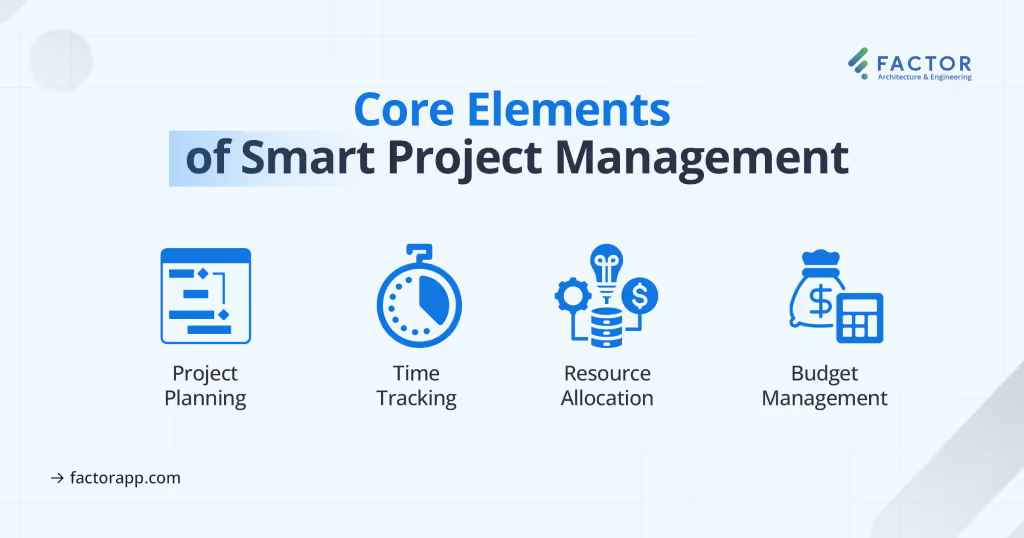
1. Comprehensive Project Planning
Before any work begins, firms must outline project objectives, scope, budget, and timelines. A well-defined project plan prevents scope creep and ensures alignment with client expectations.
- Detailed Work Breakdown Structures (WBS): Breaking projects into manageable tasks ensures better workflow, enhances accountability and allows team members to track progress seamlessly across different phases.
- Risk Assessment: Identifying potential risks early helps mitigate disruptions, allowing firms to proactively implement contingency plans and allocate resources effectively to minimize delays.
- Clear Roles and Responsibilities: Assigning tasks to the right team members prevents confusion, fosters collaboration, and ensures each team member is accountable for their contributions to the project's success.
2. Time Tracking and Resource Allocation
A/E firms rely on billable hours, making time tracking essential. Effective resource allocation ensures that projects remain profitable without overloading employees.
- Accurate Time Entry: Employees should log hours spent on specific tasks with detailed descriptions to improve billing accuracy, track productivity, and analyze project efficiency over time.
- Resource Scheduling: Assigning the right personnel to the right projects optimizes efficiency, prevents bottlenecks, and ensures that all tasks align with overall project milestones and deadlines.
- Workload Balancing: Preventing burnout keeps teams productive and engaged by distributing work evenly, identifying potential capacity constraints, and adjusting schedules as needed for sustainable performance.
3. Financial Oversight and Budget Management
Smart project management includes tracking expenses, monitoring cash flow, and ensuring invoices are processed efficiently.
- Budget Forecasting: Estimating costs with precision helps prevent financial surprises, ensuring that firms allocate resources effectively and maintain profitability throughout a project’s lifecycle.
- Expense Tracking: Monitoring every project-related expense provides a clear financial picture, reduces unnecessary costs, and allows firms to adjust spending in response to changing project requirements.
- Customized, Flexible Invoicing: Reducing manual invoicing errors improves cash flow and financial stability, allowing firms to generate invoices quickly and accurately while maintaining transparency in client billing.
4. Performance Monitoring and Data-Driven Decision Making
Tracking key performance indicators (KPIs) helps firms identify project trends and areas for improvement.
- Real-Time Dashboards: Providing visibility into project status, costs, and deadlines enables project managers to make quick adjustments and keep stakeholders informed with up-to-date data.
- Custom Reports: Analyzing profitability, utilization rates, and billing efficiency allows firms to measure financial health, optimize resources, and improve future project performance.
- Predictive Analytics: Using data to anticipate future challenges and optimize project execution helps firms proactively adjust strategies and make informed decisions that align with long-term objectives.
5. Collaboration and Communication
A/E projects involve architects, engineers, contractors, and clients. Efficient communication ensures smooth project execution.
- Centralized Project Information: Having all data related to the project lifecycle in one place prevents miscommunication, reduces errors, and ensures that all stakeholders have access to the latest project updates.
- Task Management Tools: Ensuring team members know what needs to be done and when helps prevent missed deadlines, streamlines workflow, and allows for better coordination among cross-functional teams.
- Improved Project Visibility: With project updates, milestones and reports easily accessible, unneccessary back and forth communication is minimized, boosting overall efficiency. The enhanced transparency fosters greater trust within your team and strengthens client relationships.
The Role of Technology in Smart Project Management
Technology is reshaping how A/E firms manage projects. Integrated software solutions simplify operations, reduce administrative burden, and enhance project visibility.
Project tracking tools, time management systems, and financial reporting software help firms stay on top of every aspect of project execution. Smart workflows eliminate manual tasks, which ensures greater accuracy and efficiency.
Platforms with built-in reporting capabilities offer real-time insights, allowing teams to make informed decisions.
Resource scheduling features optimize workloads, preventing delays and inefficiencies.
Choosing the right technology can streamline project execution, ensuring that teams work efficiently while maintaining financial control.
How Factor Enhances Smart Project Management
Factor is a management solution designed specifically for A/E firms, offering a user-centric approach and tools that address the unique challenges of the industry. It provides:
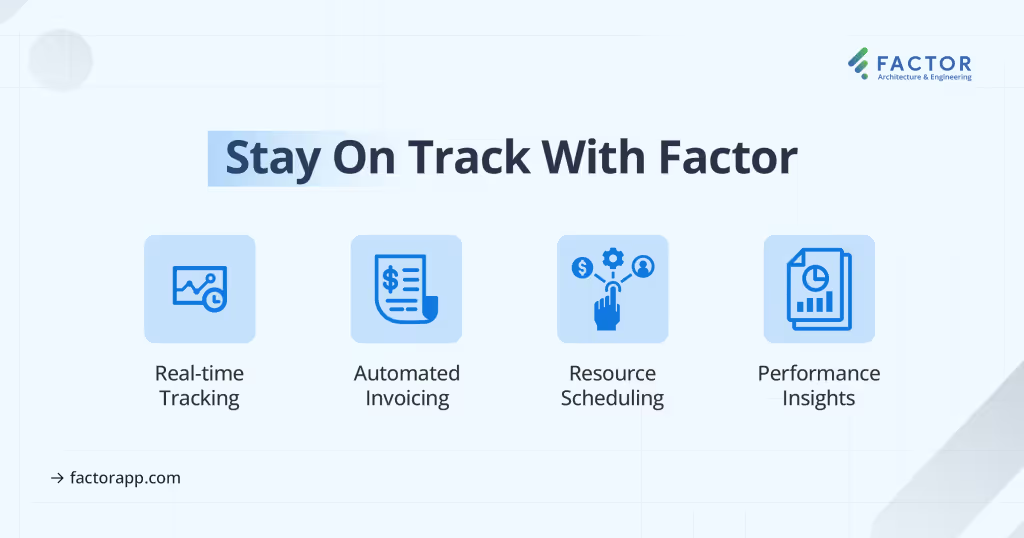
- Comprehensive Project Tracking: Monitor project progress, costs, and deadlines in real-time.
- Time and Resource Management: Track billable hours and allocate resources efficiently.
- Financial Oversight: Budget forecasting, customized invoicing, and QuickBooks integration streamline financial management.
- Performance Insights: Custom reports and analytics help firms make data-driven decisions.
- Consultative Onboarding and Support: Seamless implementation with best practices and one-on-one guidance, live weekly recurring trainings, and immediate response support at no additional charge.
Factor’s Pulse feature offers an in-depth view of project performance, helping firms analyze financial health, productivity, and team efficiency. By identifying potential risks early, Factor ensures firms can proactively address project challenges.
Additionally, Factor’s intuitive user interface reduces the learning curve, allowing teams to focus on high-value work instead of navigating complex software.
By leveraging Factor, A/E firms can reduce administrative burdens, enhance team productivity, and ensure projects remain profitable and on schedule. Firms that invest in advanced project management tools like Factor position themselves for long-term growth and operational excellence.
Conclusion
Project management is not just about tracking tasks—it’s about ensuring the success of your firm. Without a structured approach, even the most talented teams can struggle. Investing in smart project management tools can transform how your firm operates, leading to better outcomes for your projects, clients, and business.
For A/E firms looking to stay ahead, now is the time to embrace smarter, more efficient project management practices.
Sign up for Factor today and get a free 30-day trial or book a demo to experience smarter project management firsthand.

Recommended articles
.png)
See Factor in action
In one quick call, we’ll show you a simpler way to run projects and get paid faster.
.png)
“I recommend Factor to other firms. The team is great, it’s easy to use, and it has streamlined my project management. It can do the same for yours.”
Adam Mayberry
Architect / Managing Principal